Running a business means making decisions every day; some small, many significant, and a few that can alter the trajectory of the entire organisation. Yet even experienced leaders admit that leadership decision making can feel overwhelming, especially when information is incomplete, opinions differ, and time is short.
At The Alternative Board, we see this constantly in our peer advisory boards. Owners sit down with a complex choice. From hiring vs outsourcing, expanding vs consolidating to investing vs holding back, the room becomes a place to unpack that decision carefully. What often brings clarity isn’t more debate; it’s structure. The right business decision making tools help owners cut through emotion and uncertainty, turning vague choices into confident actions.
This blog explores how simple, practical analysis tools can strengthen your decision-making muscle. Allowing you to prioritise what matters, reduce risk, and lead with far greater confidence.
Why structure strengthens decision-making
Most leaders trust their instincts and rightly so. Experience gives business owners a well-honed sense of what feels right, what seems risky, and where opportunities may lie. But even strong intuition has limitations. It can unintentionally amplify short-term emotions, overlook hidden risks, or make decisions harder to justify to a team who may not share the same perspective.
This is why structured approaches to leadership decision making matter. They bring a sense of calm, clarity, and objectivity to situations that might otherwise feel overwhelming. By slowing the decision just enough to examine it clearly, leaders can make choices that are not only confident, but explainable and repeatable.
A few of the challenges structure helps counter include:
- Short-term emotions influencing long-term decisions
- Hidden risks going unnoticed
- Bias shaping choices without leaders realising it
- When decisions are supported by a clear framework, instinct becomes more powerful
The role of decision-making tools
Tools such as scorecards, KPI dashboards, and decision matrices form practical decision-support frameworks; simple, repeatable methods that help leaders view their business with greater clarity. These tools are widely used in strategic planning and operational leadership because they reveal trends, highlight priorities, and turn complexity into something manageable.
They improve business decision making by helping leaders:
- See what’s really happening in the business, not just what they assume is happening
- Compare options fairly using consistent criteria
- Focus energy on the few areas that matter most
- Make decisions that stand up to scrutiny
Our peer advisory boards play a crucial role in bringing these tools to life. Owners often arrive with competing options, unclear data, or a sense of being “too close” to the issue. The boards help them apply the right tool, test assumptions, and challenge blind spots. Once a problem is structured(visually, logically, and collaboratively) the best decision usually emerges with surprising clarity.
In this way, tools don’t make decisions for leaders; they deepen understanding. And with understanding comes confident, decisive leadership.
Scorecards: See what really needs attention
A scorecard gives you a concise view of the metrics that matter most. By tracking a small set of meaningful indicators, it cuts through the noise and surfaces the areas that require genuine attention. This prevents you from being pulled toward whatever issue feels urgent and instead anchors their decisions in visible trends.
For example, if you were debating whether to pursue a new growth initiative, the scorecard may show whether capacity, margin, or demand is trending in the right direction. These signals make the choice clearer. This tool doesn’t overwhelm with data but highlights the essentials, helping you move forward with confidence because you can see the foundation beneath the decision.
KPI dashboards: The story behind the numbers
Dashboards go a step further by showing how different parts of the business influence one another. They don’t simply present data; they connect it, offering a visual narrative of performance that leaders can interpret at a glance. This context is invaluable when making decisions that affect multiple areas of the organisation.
A dashboard might show that rising sales are putting pressure on delivery times, or that increased demand isn’t translating into profit due to margin erosion. These insights help you understand cause and effect, making it easier to decide where to invest, adjust, or intervene.
By turning raw numbers into a coherent picture, dashboards give you the clarity to make decisions that feel aligned, timely, and well-considered.
Decision matrices: Choosing between good options
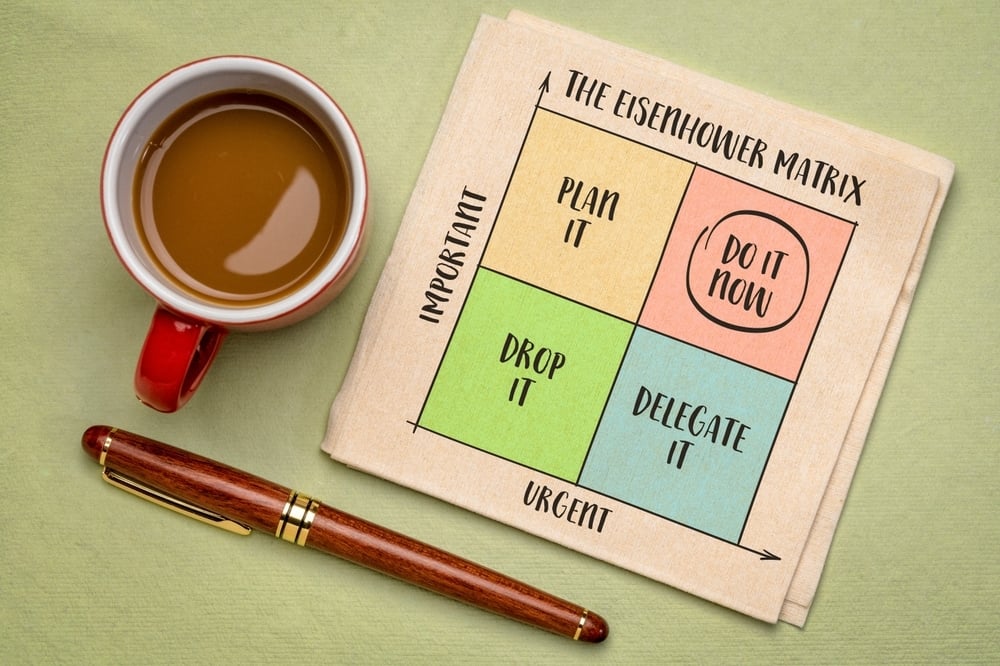
Some decisions don’t have an obvious answer. Not because the options are poor, but because they are equally strong. A decision matrix helps leaders navigate this situation by setting clear criteria and comparing options side by side. This brings structure to moments that might otherwise feel ambiguous or emotionally charged.
The process encourages you to decide what matters most before assessing the options. When each path is evaluated against consistent criteria (such as strategic fit, cost, timing, or customer impact) one option usually emerges as the better match.
This doesn’t make the decision mechanical but makes it transparent. You gain confidence knowing you can articulate why one choice stands above the rest and not simply that it felt right.
Making leadership conversation more focused and productive
When leaders use structured tools, discussions shift from broad opinion-sharing to meaningful problem-solving. Scorecards highlight where attention is needed. Dashboards provide shared context. Decision matrices clarify the reasoning behind choices. The result is more focused conversations that move quickly toward alignment.
Teams understand decisions more easily, because they can see the logic behind them. And leaders benefit from having a framework that reduces uncertainty and strengthens the quality of their thinking.
The value of business decision making tools
The real value of business decision making tools isn’t the data, charts, or scoring, it’s the clarity they unlock. Scorecards show what truly matters. Dashboards reveal the story behind performance. Decision matrices bring structure to complex choices. Together, they help leaders move from uncertainty to confidence, making decisions with purpose rather than pressure.
Confident leadership isn’t about having all the answers. It’s about creating the conditions where better answers become easier to see. These tools do exactly that, helping business owners act decisively, communicate clearly, and lead with assurance in a world full of competing demands.


.jpg)